
Turning Menu Data Into Sales Insight
January 6, 2026 • Taplist
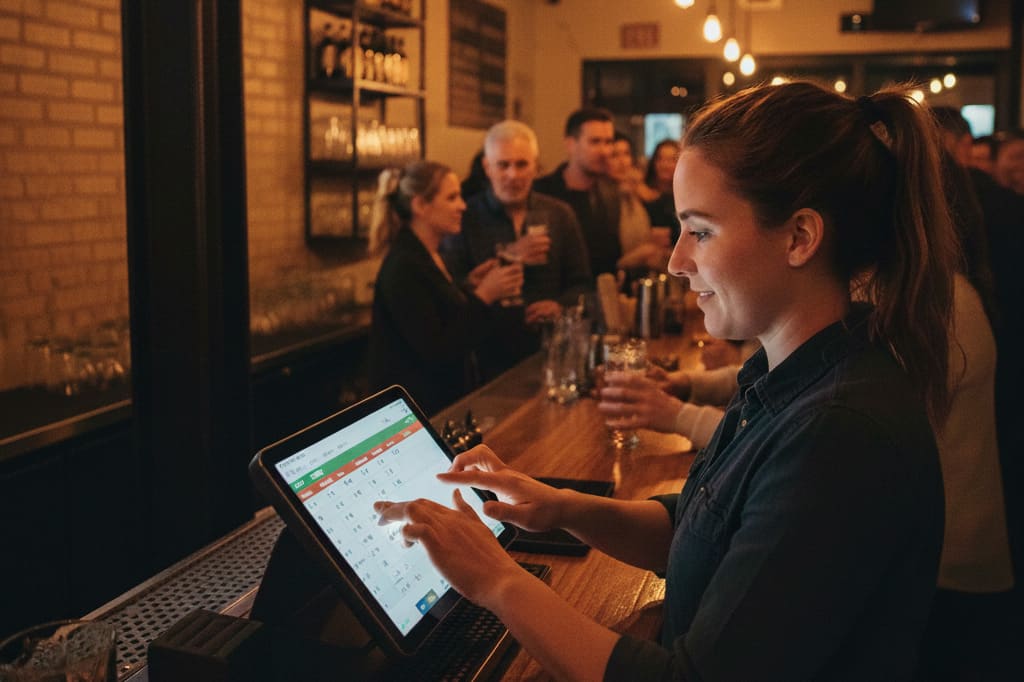
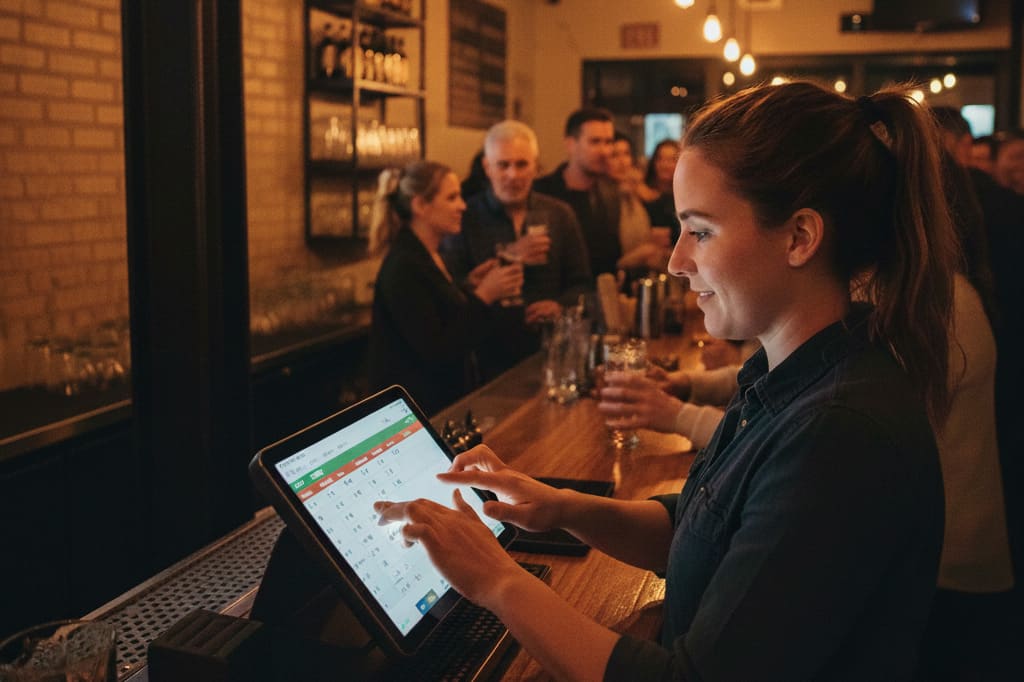
Most breweries are sitting on a goldmine of data.
Sales by product. Time of day performance. Velocity by tap. Margins. Sell-through rates during peak hours. It's all sitting in your POS. But for most breweries, that data stops at reporting. It never makes its way back into the thing guests actually interact with: the menu.
Missed opportunity.
Your menu is not neutral
Menus shape decisions. Order matters. Visibility matters. Grouping matters.
Guests don't evaluate every option equally. They scan. They anchor on what they see first. They default to what feels familiar or what's clearly presented. Your menu is quietly nudging those choices long before a bartender opens their mouth.
This is where POS data gets interesting—but only if your menu can actually respond to it. Static menus treat every product like it deserves equal billing. Dynamic menus let you put your thumb on the scale.
Using POS data to decide what gets top billing
Not every beer deserves the same placement.
Here's an example: your POS shows your hazy IPA outsells everything else 3:1 on Friday nights. But your menu still lists it alphabetically under "I." Moving it to the top or using a featured icon during peak hours isn't overthinking it. It's just using what you already know.
High-performers—your flagships, best sellers, high-margin beers—should get prime real estate. Top of the menu. Clear labels. Attention-grabbing images. Consistent visibility across screens and mobile ordering. If a beer consistently outsells the rest of your lineup and you're burying it halfway down the menu, you're leaving money on the table. And if a slower-moving experimental beer is sitting at the top, sure, it's getting attention—but it might be suppressing your overall sales.
Data-driven breweries make these calls intentionally. And they don't need to reprint menus or retrain staff every time something changes.
Spotlighting the right things, at the right time
POS data also answers a trickier question: what deserves a spotlight, and when?
Seasonals, limited releases, collabs, new beers—they usually benefit from temporary emphasis. A callout, a featured section, a featured icon, some visual separation. You can draw attention without permanently messing with your menu hierarchy.
The difference between guessing and knowing is data. If a featured beer shows strong velocity early, keep it highlighted. If interest drops off, rotate the spotlight. With a dynamic digital menu, this is fluid. Your menu becomes a living thing that reflects what's actually happening in your business.
Designing for decisions, not completeness
One of the biggest mistakes breweries make is trying to show everything at once.
Data usually reveals that a handful of products drive most of your sales. But menus still tend to overwhelm guests with long, flat lists that create decision fatigue.
With POS insights, you can group beers strategically by style or intent, cut visual clutter during peak times, and control the order guests see options. These aren't aesthetic decisions. They're behavioral ones. Small changes to structure can shift what people order without touching pricing or recipes.
From reporting to advantage
The real advantage shows up when POS data and menu presentation are actually connected.
Taplist integrates with POS systems like GoTab, Square, and others, so your sales insights flow directly into your digital menu. The menu doesn't just display what's on tap—it shapes what sells. Breweries running this way don't just react to performance. They steer it.
- They sell more of what works
- They guide guests with more confidence.
- They stay ahead of competitors still using static menus and gut instinct.
The takeaway
If you're already running a POS, you've got the data. The next move is letting it influence how your menu works, not just how it gets reported.
Taplist turns insight into action. Action is where sales grow.
→See how Taplist integrates with your POS
More from the blog
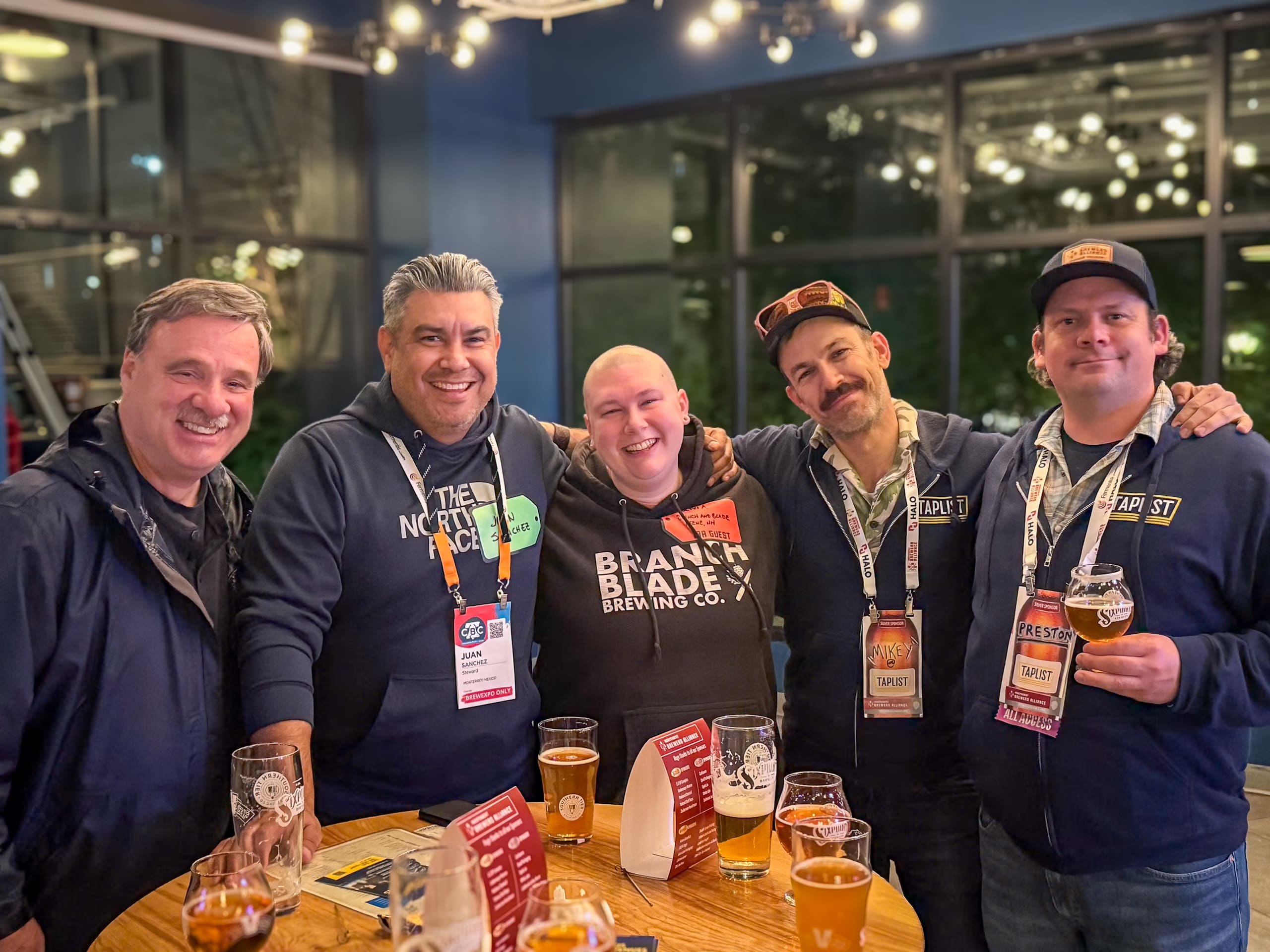
We came. We saw. We drank. Taplist does CBC 2026.
Five days in Philly with the independent beer community that built us. Taplist runs down CBC 2026.
May 4, 2026 • Taplist
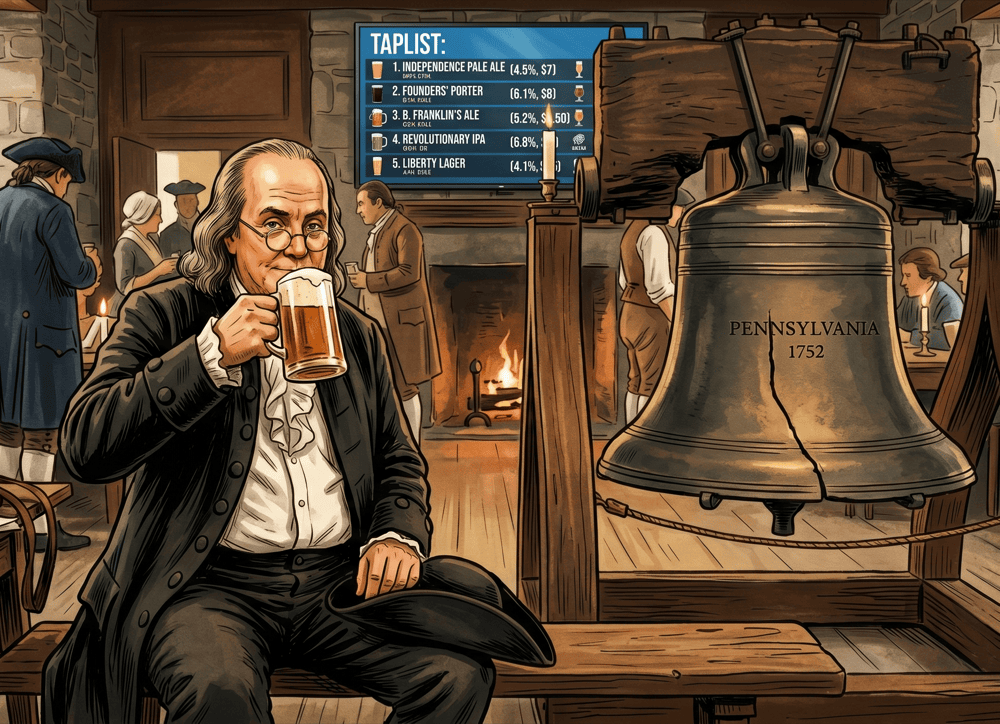
We're back at CBC — and powering the Official Beer Locator again
Next week, the craft beer industry takes over Philadelphia for the Craft Brewers Conference. We'll be there too, and it's shaping up to be Taplist's biggest show yet.
April 15, 2026 • Taplist
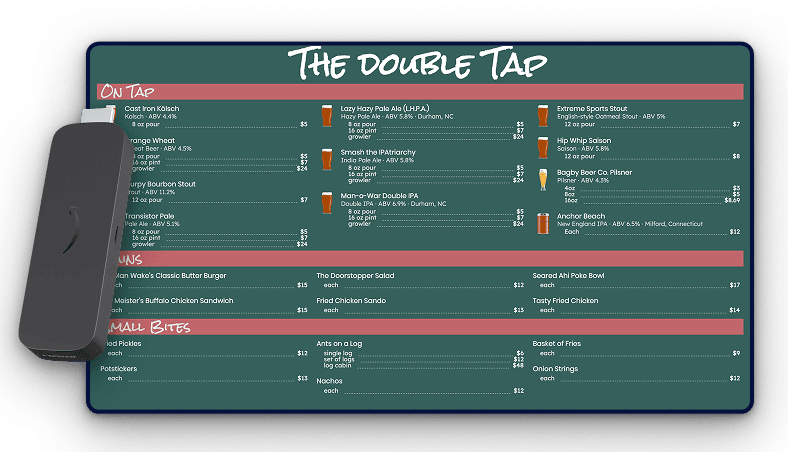
Taplist Now Pairing with Amazon Signage Stick
Taplist now works with Amazon Signage Stick—purpose-built hardware for breweries and bars managing multiple displays across one venue or multiple locations.
March 10, 2026 • Taplist
Amazing menus await
Backed by our money-back guarantee.
Understand why leading bars and breweries generate more sales and cut costs by using Taplist.io to manage their menus.